Limo Reservation Software: The Key to a Thriving Transportation Business
Definition
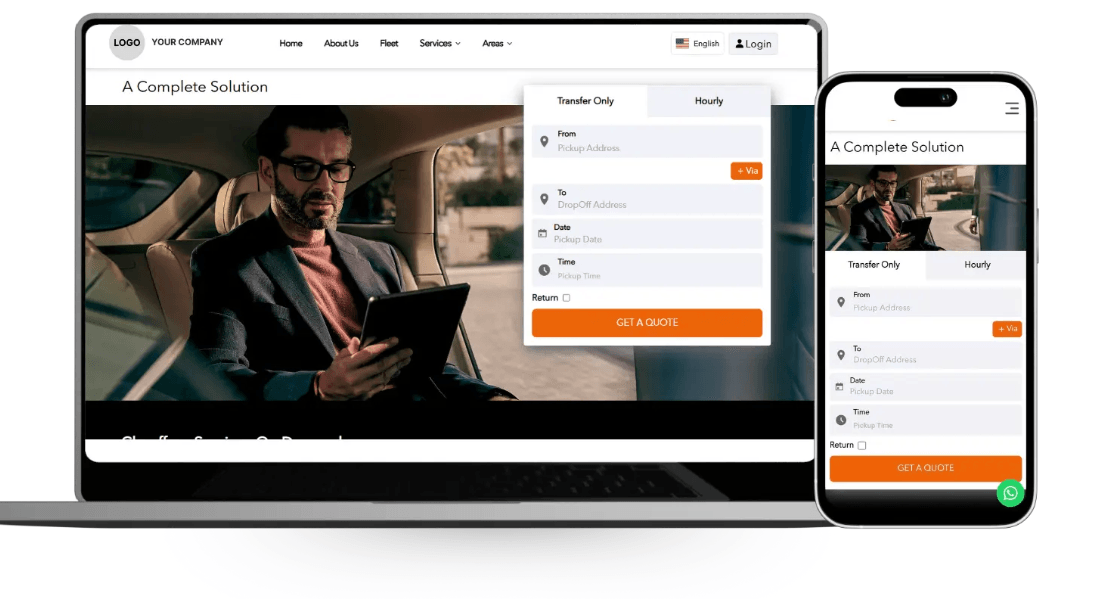
Limo reservation software is a digital platform designed to manage and automate the booking, scheduling, dispatching, and payment processes for limousine, chauffeur, and private transportation services.
Simple Explanation
Here is the simple explanation: Think of limo reservation software as your digital assistant. It handles all the tedious tasks involved in running a transportation business, from taking bookings to assigning drivers, so you can focus on providing excellent service and growing your company.
Why It Matters (Benefits)
Implementing limo reservation software offers several key benefits:
- Increased Efficiency: Automates tasks like booking, dispatching, and payment processing, saving time and reducing errors.
- Improved Customer Experience: Provides online booking options, instant confirmations, and real-time updates, enhancing customer satisfaction.
- Better Resource Management: Optimizes vehicle and driver scheduling, maximizing utilization and minimizing downtime.
- Enhanced Revenue: Streamlines operations, allowing you to handle more bookings and increase profitability.
- Data-Driven Insights: Provides valuable data on booking trends, customer preferences, and operational performance, enabling informed decision-making.
- Reduced Costs: Minimize manual processes, reduce errors and optimize resource usage.
According to a Statista report, online booking penetration in the travel and tourism sector is steadily increasing, highlighting the importance of digital solutions for transportation businesses.
Framework or Step-by-Step Process
Here is the framework for successfully implementing limo reservation software:
- Assess Your Needs: Identify your specific requirements based on your business size, service offerings, and customer base.
- Research and Compare Software Options: Evaluate different software providers based on features, pricing, and customer reviews.
- Implement the Software: Set up the software, configure settings, and import existing data.
- Train Your Team: Provide comprehensive training to your staff on how to use the software effectively.
- Monitor and Optimize: Track key metrics, gather feedback, and make adjustments to optimize performance.
Examples
Example 1: A small limo company in New York City implemented reservation software and saw a 30% increase in bookings within the first three months. The software automated their booking process, allowing them to handle more requests and improve customer response times.
Example 2: A chauffeur service in London used the software's dispatching feature to optimize driver schedules and reduce vehicle idle time. This resulted in a 15% reduction in fuel costs and improved overall efficiency.
Example 3: An airport transfer company leverages limo reservation software to track flight arrival times, automatically adjusting pickup schedules and minimizing wait times for customers. This proactive approach enhances customer satisfaction and reduces operational inefficiencies.
Tools / Methods / Types
There are several types of limo reservation systems available, each with unique features and capabilities:
- Cloud-Based Software: Accessible from anywhere with an internet connection, offering flexibility and scalability.
- On-Premise Software: Installed on your own servers, providing greater control over data and security.
- Mobile Apps: Allow drivers and dispatchers to manage bookings and communicate in real-time.
- Integrated Systems: Combine reservation management with other business functions, such as accounting and CRM.
According to Grand View Research, the transportation management system market is expected to grow significantly in the coming years, driven by the increasing demand for efficient and automated solutions.
Comparison Table
FeatureCloud-Based SoftwareOn-Premise SoftwareAccessibilityAnywhere with internetLimited to on-site accessCostSubscription-basedHigher upfront costsMaintenanceProvider responsibilityYour responsibilityScalabilityHighly scalableLimited scalability
Common Mistakes
Avoid these common mistakes when implementing limo reservation software:
- Choosing the Wrong Software: Selecting a system that doesn't meet your specific needs or budget.
- Poor Implementation: Failing to properly set up and configure the software.
- Inadequate Training: Not providing sufficient training to your staff on how to use the software.
- Ignoring Customer Feedback: Not gathering feedback from customers and making adjustments based on their needs.
- Lack of Integration: Not integrating the software with other business systems, such as accounting or CRM.
Based on industry experience, most teams find that investing in proper training and support is crucial for successful software adoption.
How to Choose
Consider these factors when choosing limo reservation software:
- Features: Look for features that meet your specific needs, such as online booking, dispatching, payment processing, and reporting.
- Pricing: Compare pricing models and choose a plan that fits your budget.
- Ease of Use: Select a system that is easy to learn and use for both your staff and your customers.
- Integration: Ensure the software integrates with your existing business systems.
- Customer Support: Choose a provider that offers reliable customer support and training.
- Scalability: Select a system that can scale with your business as you grow.
According to a Gartner forecast, worldwide IT spending is projected to continue growing, highlighting the increasing importance of technology investments for businesses.
FAQs
What is the main purpose of limo reservation software?
It automates booking, scheduling, and dispatching, improving efficiency.
Can customers book online with this software?
Yes, most platforms offer online booking portals for customers.
Does it help with payment processing?
Yes, it integrates with payment gateways for secure transactions.
Is it accessible on mobile devices?
Many providers offer mobile apps for drivers and dispatchers.
How does it improve customer satisfaction?
By providing real-time updates and easy booking options.
Does it provide data analytics?
Yes, it offers insights into booking trends and performance.
What kind of support is typically offered?
Most vendors provide customer support and training resources.
Is cloud-based or on-premise better?
Cloud-based offers flexibility; on-premise gives more control.
How much does limo software cost?
Costs vary, usually subscription-based or one-time license.
What if I need to integrate with accounting software?
Many systems offer integration with popular accounting tools.
How long does it take to implement?
Implementation time varies depending on complexity.
Is training provided for staff?
Yes, comprehensive training is usually included.
TL;DR Summary
Quick summary: Limo reservation software streamlines transportation businesses by automating bookings, improving customer experience, and optimizing resource management. Implementing the right software can lead to increased efficiency, enhanced revenue, and data-driven decision-making. By assessing your needs, training your team, and monitoring performance, you can maximize the benefits of this powerful tool.