Cost of Limo Dispatch Software in 2026?
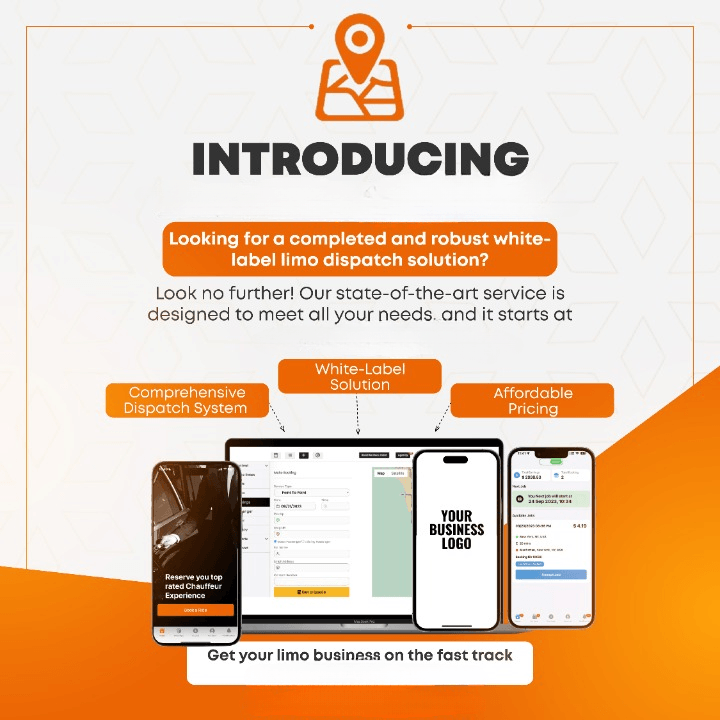
If you run a limo or chauffeur service, you already know dispatch software isn’t a “nice-to-have” anymore. It’s central to booking, driver scheduling, pricing, customer notifications, payments, and reporting. But what does this technology cost in 2026?
Let’s break down the real numbers, explain what affects the price, and help you decide what investment makes sense for your business.

What Limo Dispatch Software Does
Before we talk cost, here’s what modern dispatch systems handle:
- Online and phone bookings
- Automated driver assignment
- Real-time tracking
- Pricing and fare estimation
- Integrated payments (cards, wallets)
- Customer notifications (SMS/email)
- Reporting dashboards
- Mobile apps for drivers and customers
Because these systems replace manual spreadsheets and phone calls, they can boost efficiency and earnings fast.
Typical Cost Ranges in 2026
There isn’t a fixed price for limo dispatch software. Costs vary based on features, deployment type, and scale. Here are typical ranges you’ll see in 2026:
Entry-Level (Small Fleets)
$49 to $149 per month
Good for operators with 1–5 vehicles. You get basic booking, driver app, and dispatch console. This tier is ideal if you’re just moving from manual systems to digital.
Mid-Tier (Growing Fleets)
$150 to $399 per month
Adds automation like dynamic pricing, more reporting, payment gateways, and improved customer interfaces. Perfect for fleets with 5–20 vehicles.
Enterprise (Large Fleets)
$400 to $1,000+ per month
Designed for 20+ vehicles. You’ll see advanced modules such as route optimization, API integrations (airline, hotel systems), multi-office support, and custom reporting.
One-Time or White-Label Solutions
$699 to $15,000 upfront
Some companies offer a one-time purchase with optional support contracts. These can be cheaper long-term but require technical setup and maintenance.
What this really means is you pay for what you use. Small companies pay less but also get fewer advanced tools. Big fleets pay more, and they benefit from automation that saves labor and increases bookings.
Hidden Costs and Add-On Expenses to Watch in 2026
Here’s the thing most vendors won’t highlight upfront. The monthly price you see is rarely the final cost.
In 2026, many limo dispatch software platforms follow modular pricing. That means the base plan looks affordable, but key features are often paid extras. If you don’t account for these early, your software bill can quietly double.
Here are the most common add-on costs operators should plan for:
SMS and notifications
Most systems charge per SMS or per bundle. Trip confirmations, driver alerts, and customer updates all add up fast if your booking volume is high.
Payment processing fees
Even when card payments are “included,” transaction fees usually aren’t. Expect 2.5 percent to 3.5 percent per transaction, sometimes with an extra platform fee.
Mobile apps
Some providers charge separately for driver apps, passenger apps, or white-labeled versions with your branding. This is especially common at the lower pricing tiers.
Extra vehicles or drivers
Many plans cap the number of drivers or cars. Once you cross that limit, pricing jumps to the next tier or adds per-vehicle fees.
Custom branding and domain setup
If you want your own logo, colors, email templates, or a branded booking URL, setup fees are common. These are usually one-time but can range from a few hundred to several thousand dollars.
API and third-party integrations
Connections with accounting software, flight tracking systems, CRM tools, or hotel booking platforms often sit behind higher-priced plans.
What this really means is simple. When comparing limo dispatch software costs in 2026, don’t just look at the headline price. Ask for a full cost breakdown based on your actual booking volume, number of drivers, and payment usage. That’s how you avoid surprises six months down the line.
What Factors Affect Cost
It helps to understand what drives price so you budget smart:
1. Deployment
Cloud-based SaaS typically costs less upfront and updates automatically. On-premise systems have higher setup costs but can feel more “yours.”
2. Number of Users
More drivers and dispatchers usually means higher costs. Some vendors charge per user or per vehicle.
3. Features
Online booking websites, mobile apps, real-time tracking, analytics, and payment processing all add to the price.
4. Support and Updates
24/7 support and frequent upgrades cost more, but they’re worth it when you depend on the software every day.
5. Customization
If you need branding, custom workflows, or API connections (airline systems, hotel partners), expect setup fees.
Cost vs Value
A cheap system that can’t automate bookings or integrate payments won’t save you much time. A powerful system that reduces no-shows, speeds up dispatching, and lets customers pay easily can pay for itself in weeks.
Here’s how to think about value:
- Efficiency gained — Less manual calling and scheduling
- Faster payments — Integrated billing and invoicing
- Better customer experience — Easy booking and tracking
- Cleaner data — Reports for smarter decisions
In 2026, operators who use dispatch software well can handle more bookings with the same staff and deliver a better experience.
Tips to Pick the Right Plan
Before you sign up:
- List what you need now and what you’ll need in 12 months.
- Ask if pricing scales by vehicles or features.
- Check if there are hidden fees for SMS, payment processing, or add-ons.
- Read reviews from other limo companies.
- Try a free trial whenever offered.
Conclusion
In 2026, limo dispatch software can cost anywhere from $99 to $1,000+ per month, depending on size and features. Small fleets can get started affordably. Larger operations can justify higher costs with automation that boosts revenue and cuts workload.
If you want a system that grows with you, compare features, think long-term, and choose a platform that fits both your budget and your business goals.