Taxi Dispatch System Pricing in 2026: What Operators Actually Pay
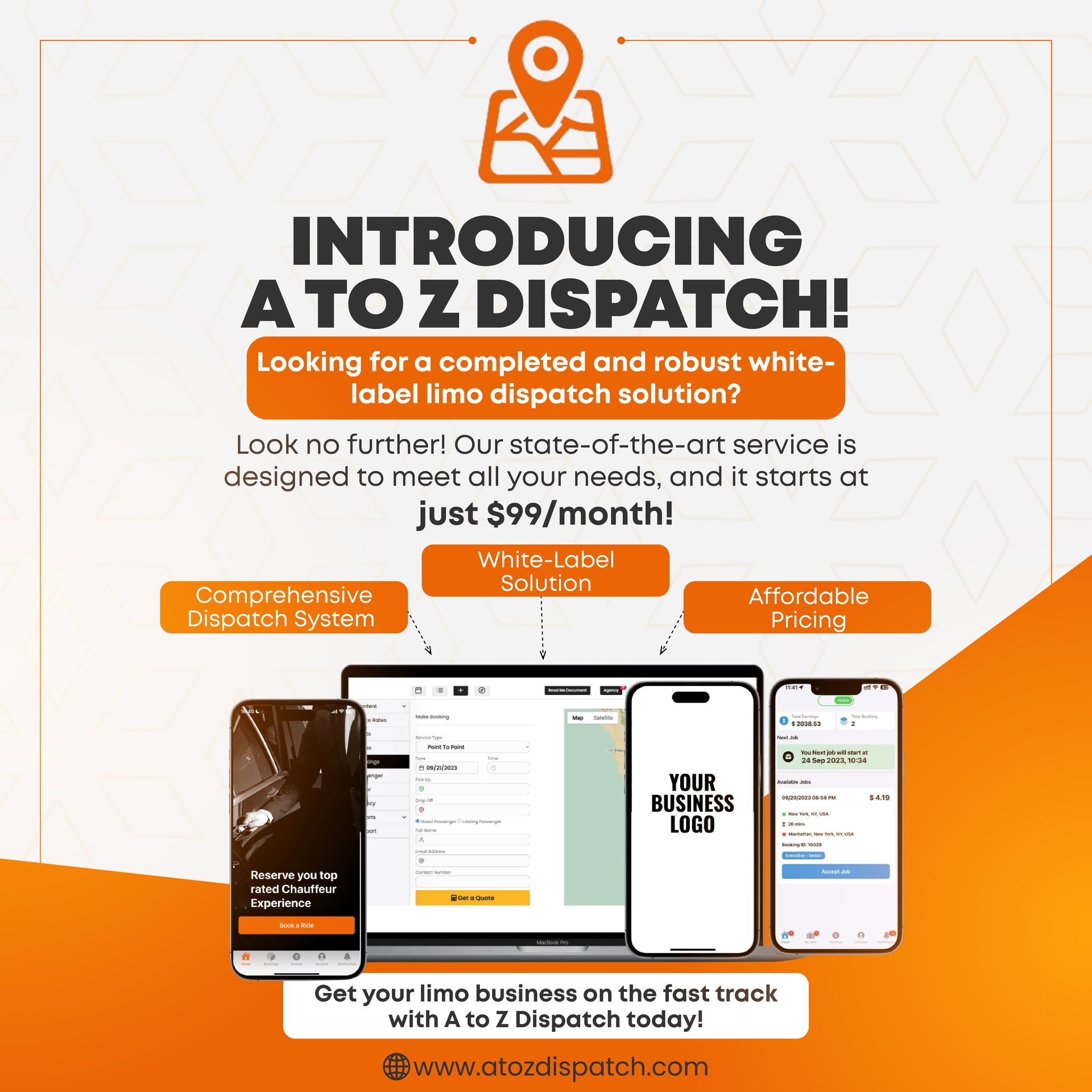
In 2026, taxi dispatch software pricing for fleet operators ranges from $149/month (Team 5 plan) to $399/month (Team 50 plan) with transparent setup fees ($499–$799). Unlike traditional software that charges per-trip commissions, modern white-label dispatch platforms charge flat monthly rates so operators keep 100% of revenue
Common Taxi Dispatch Pricing Models
1. Per Vehicle Subscription
$40–$299 per vehicle per month
Most cloud dispatch platforms charge based on active vehicles. This usually includes a dispatch panel, driver app, passenger booking, GPS tracking, and notifications.
Best for small to mid-size fleets that want predictable costs.
2. Pay-Per-Trip Pricing
£0.10–£0.20 per completed trip
You only pay when a job is completed. No trips, no cost.
Best for owner-drivers, seasonal operators, or low-volume fleets.
3. Tiered Monthly Plans
$100–$500+ per month
Fixed plans with increasing features like reporting, automation, and payment tools.
Best for growing fleets that don’t want custom development.
4. Small Fleet Cloud Packages
$100–$600 per month
Entry-level pricing covering around 10–25 vehicles.
Best for local taxi firms and airport transfer operators.
5. Mid-Size Fleet Cloud Plans
$500–$3,000 per month
Pricing scales with vehicles, trip volume, and admin users.
Best for multi-city or regional fleets.
6. Enterprise or White-Label Solutions
Custom pricing
Fully branded apps, integrations, and advanced analytics.
Best for large taxi and chauffeur networks.
Where A to Z Dispatch Fits
A to Z Dispatch follows a cloud-based SaaS model designed for real operators, not enterprise-only budgets.
Pricing is typically based on fleet size, with core features included:
- Dispatch console
- Driver and passenger apps
- GPS tracking
- Automated notifications
- Online payments
This places A to Z Dispatch in the affordable mid-range, ideal for:
- Taxi and private hire companies
- Limo and chauffeur services
- Airport transfer operators
- Fleets moving away from manual dispatch
What This Means for Your Business
Here’s the thing. The real cost isn’t the software fee.
It’s whether the system supports your growth without forcing a platform change later.
Rule of thumb:
- 1–15 vehicles → Per-vehicle or pay-per-trip pricing
- 15–75 vehicles → Flat monthly SaaS plans
- 75+ vehicles → White-label or enterprise setups
Avoid heavy upfront builds unless your scale is guaranteed.
Quick Answer
How much does a taxi dispatch system cost in 2026?
Most operators pay between $40–$299 per vehicle per month or £0.10–£0.20 per trip.
White-label and enterprise solutions require higher upfront investment but lower long-term cost per vehicle. Visit our Flexible Pricing Plan and Atoz AI